


What is a Dental Bridge
There are several dental options
available to people who have lost a
tooth. One of the most popular is
dental bridges.
(951) 412-0127
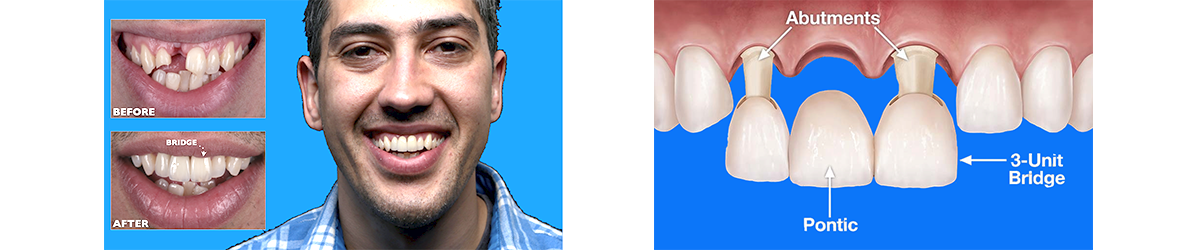

Our customers have ranked us the #1 Murrieta and Temecula dentist with 200 5-star Google reviews. Don’t risk choosing a dentist with fewer satisfied customers. Click Here
What are Dental Bridges?
- A dental bridge is custom-made to help replace one or more missing teeth, anchoring on either side of the gap. This also helps with how your mouth works and looks.
- Dental bridges come in a few types: traditional bridge, cantilever bridge, Maryland bridge, and those supported by implants. You can pick the one that fits your unique needs.
- A dental bridge for tooth replacement can help you chew food better and make it easier to speak. It also keeps your natural teeth in place and stops them from moving.
- When you get a dental bridge, you will first have a consultation. Then your abutment teeth are prepared. Ultimately, your custom bridge is installed.
- Good dental care is essential to ensure your dental bridge lasts for many years.
Introduction to Murrieta Dental Bridges
Losing a tooth can be a challenging experience and may impact how you feel and live each day. At our clinic, we speak with many people who ask us questions like, “What is a dental bridge?” We explain your dental care options to help you feel better. A dental bridge helps replace one or more missing teeth. A dental bridge is custom-made to help replace one or more missing teeth, anchoring on either side of the gap. This also helps with how your mouth works and looks. The cost of a dental bridge typically ranges from $1,500 to $5,000, depending on factors such as the materials used, the number of missing teeth being replaced, and the complexity of the procedure.
This is a custom piece made just for you. It fills the space left by one or more lost teeth. A dental bridge is held in place by your natural teeth or dental implants, so you get your full and great smile back. The bridge requires a natural tooth in front and behind for support.
After your dental bridge is placed, caring for it is essential to ensure its longevity. You should brush and floss daily, paying special attention to the areas around and underneath the bridge to keep it clean and free of food debris. Regular dental checkups and professional cleanings will also help maintain your bridge and overall oral health.
Understanding Affordable Dental Bridges Near Me
When people think of “bridges,” they might picture something you take out at night. However, the world of tooth replacement offers numerous options for achieving healthy teeth. A dental bridge is one of the most common and effective methods for replacing missing teeth. These are affordable dentures that stay in your mouth. A dental bridge gives you a way to handle missing teeth, and you don’t have to take it out.
At Promenade Dental Care, we help you find the best treatment options for your unique needs and budget. Understanding how a dental bridge works is the first step to restoring your smile. In this text, you’ll learn about tooth bridges. You’ll see why people choose them and why they’re a top choice for tooth replacement in Murrieta.
So, how does a dental bridge help when you have missing teeth? You can think of a dental bridge as a replacement for a missing tooth, spanning the gap. A dental bridge uses an artificial tooth, also known as a pontic, to fill the space left by a missing tooth. This artificial tooth stays in place with crowns that go over your neighboring teeth next to the gap. The teeth that hold the crowns are called abutment teeth. A dental bridge is an effective way to replace a missing tooth. It helps complete your smile.
What Types of Dental Bridges are Available in Murrieta?
Not every dental bridge is the same, and the correct type of bridge for you will depend on your needs, especially if you are concerned about tooth decay. The spot of a missing tooth, the number of missing teeth, and the strength of your remaining teeth all matter. These things help your dentist choose the most suitable option. With proper care, a dental bridge typically lasts between 5 to 15 years, and sometimes even longer, depending on the type of bridge and your oral hygiene habits.
The main types of dental bridges include:
What are Traditional Dental Bridges?
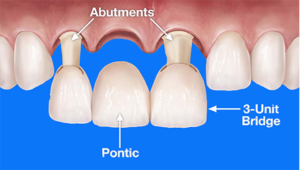 The traditional dental bridge is the most common type of bridge used today. It is a good choice when you have natural teeth on both sides of the spot where a missing tooth was. This regular bridge uses one or more artificial teeth that are sent to a dental laboratory for fabrication. They are kept in place by dental crowns.
These crowns go on the abutment teeth. The abutment teeth are the natural teeth that sit next to the gap. They help hold the traditional bridge in place, unlike removable partial dentures that clasp onto the remaining teeth. This setup gives it strong support. A conventional bridge is an effective solution for replacing missing teeth and can last for many years.
A traditional dental bridge is something you keep in your mouth. It is held in place with dental cement, and it should not be removed. A dental bridge, often referred to as a final bridge, works much like your natural teeth. It helps you eat and talk as you should. A traditional dental bridge enhances your smile and restores its natural appearance.
What are Cantilever Bridges and Maryland Bridges?
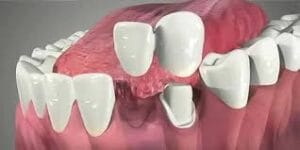 Many people are familiar with the standard dental bridge. However, other types of bridges might work better in some instances. A cantilever dental bridge is one option for a missing tooth. It works when only one tooth is next to the gap. The dentist inserts an artificial tooth, called a pontic, into the space, which contributes to the overall number of pontics in the dental bridge. The pontic is held in place by a crown made for one abutment tooth. This type of dental bridge “hangs over” the gap. A cantilever dental bridge is not as strong as some other types of bridges. People usually get these where there is not a lot of chewing pressure.
Another type of dental bridge is the Maryland dental bridge. This dental bridge does not use crowns. Instead, it uses a porcelain framework or sometimes metal with wings. These wings get bonded to the back of the adjacent teeth. A Maryland dental bridge is a smart option. The dentist doesn’t need to alter the supporting teeth much. It is more gentle on them compared to some other types of dental bridges near me.
Maryland bridges are suitable for replacing front teeth. People use them most when chewing is easy, not when it is hard. They can also help as a temporary solution until a dental implant is in place. This way, you get to have front teeth that look normal while you wait.
What are Implant-Supported Dental Bridges near me?
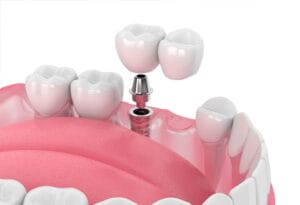 If you have several missing teeth, an implant-supported dental bridge may be a good choice. This type of dental bridge is more stable and stronger than many other options. A fixed dental bridge like this does not use your natural teeth to hold it in place. Instead, it uses implants. The implants are small posts shaped like screws. A dentist puts them into your jawbone. They work like an artificial tooth root to support the fixed dental bridge.
Once the implants fuse with the bone, which may take a few months, your dentist will place the bridge during an oral surgery procedure. This way, you don’t have to alter healthy adjacent teeth. That is a big plus. This method keeps your jawbone strong. It also prevents bone loss that often happens with missing teeth.
An implant-supported bridge is a suitable option for individuals seeking durable dental restorations. It works well if you need to replace more than one tooth. Your overall oral health and the number of teeth you want to address will help you determine if this is the right option for you.

Are Tooth Replacement Options Different for Older Adults or Seniors?
Yes — tooth replacement options can differ for older adults and seniors because of age‑related factors such as jawbone density, overall health, healing capacity, budget considerations, and functional needs. Dental professionals consider these variables when recommending dentures, bridges, dental implants, or hybrid solutions for older patients.
Key Differences in Senior Tooth Replacement
1. Dental Implants and Bone Health
Dental implants are often a viable option for many seniors, and age alone is not a contraindication for implant treatment. Senior patients can experience high success rates with implants, provided their medical status and bone condition are suitable. Implants also help preserve jawbone and facial structure better than removable options. Learn more about dental implants for seniors. :contentReference[oaicite:0]{index=0}
2. Multiple Implant Strategies
Seniors with multiple missing teeth may be offered implant‑supported solutions such as bridges or full‑arch systems like All‑on‑4. These approaches can provide a fixed, stable restoration that improves chewing function and comfort. Read about implant choices tailored to seniors. :contentReference[oaicite:1]{index=1}
3. Dentures as Accessible Alternatives
Traditional dentures remain one of the most common and accessible options for seniors, particularly those who:
- have significant bone loss,
- cannot undergo surgery, or
- prefer non‑surgical treatment.
Modern dentures are adjusted for comfort and can be worn while healing or when implants are not feasible. Explore denture options for seniors. :contentReference[oaicite:2]{index=2}
4. Hybrid Solutions: Implant‑Supported Dentures
Seniors who wear dentures but want more stability may benefit from implant‑supported dentures (also known as overdentures). These snap onto implant anchors for greater retention, reducing slipping and improving chewing ability compared with traditional dentures. About implant‑supported overdentures. :contentReference[oaicite:3]{index=3}
5. Cost, Coverage, and Planning
Because dental implants involve surgery and diagnostic planning, cost and insurance coverage—especially for those on fixed incomes—can influence the treatment choice. Dentures typically cost less upfront, while implants may offer better long‑term value and function. Discuss financial options and coverage before deciding. Cost comparisons and considerations for seniors. :contentReference[oaicite:4]{index=4}
Commonly Used Tooth Replacement Options for Seniors
- Traditional Dentures – Removable and typically the most affordable option.
- Dental Implants – Fixed, long‑term solution that preserves bone and function.
- Implant‑Supported Dentures – Hybrid option combining removable dentures with implants for stability.
- Implant‑Supported Bridges – Fixed bridge anchored on implants for multiple missing teeth.
- All‑on‑4 Full Arch Implants – Full mouth replacement using a limited number of implants for seniors missing most or all teeth.
Useful Google Search Keywords
Here are high‑value keywords you can use to find more information and optimize content for SEO:
- tooth replacement options for seniors
- dental implants for older adults
- best dentures for elderly patients
- implant supported dentures seniors
- All‑on‑4 implants for seniors
- cost of dental implants for seniors
- senior dentistry tooth replacement
- aging jawbone bone loss solutions
Temporary Tooth Replacement Solutions
Yes — there are several temporary tooth replacement solutions designed to restore appearance, function, and comfort while you wait for a more permanent option. These are generally less invasive, faster, and lower-cost than implants or fixed bridges.
1. Removable Partial Dentures (Flippers)
- Lightweight acrylic appliance that replaces one or more missing teeth.
- Easily removable for cleaning.
- Quick to fabricate and relatively inexpensive.
- Ideal for short-term aesthetics or while waiting for an implant.
2. Temporary Dental Bridges
- Also called provisional bridges.
- Bonded to adjacent teeth for short-term support.
- Protects surrounding teeth and maintains space for permanent restoration.
3. Essix or Clear Retainer-Type Dentures
- Clear plastic removable appliance that snaps over existing teeth.
- Provides an aesthetic solution for missing front teeth.
4. Immediate Dentures
- Placed immediately after tooth extraction.
- Allows healing while keeping your smile complete.
- Typically adjusted or replaced with permanent dentures later.
5. Fluoride or Composite-Based Temporary Crowns
- For single tooth loss due to fracture or extraction.
- Provides temporary function and protection until a permanent crown or implant is placed.
Key Considerations
- Temporary solutions are not designed for long-term chewing efficiency.
- They may require careful maintenance to avoid staining or damage.
- They can help maintain bone and gum contours before permanent restoration.
Choosing the Right Tooth Replacement Option
Choosing the right tooth replacement option requires evaluating clinical, financial, functional, and long-term considerations. The best solution depends on your oral health status, bone structure, lifestyle, and treatment goals. Below is a structured framework to guide decision-making.
1. Number and Location of Missing Teeth
The treatment approach differs significantly depending on whether you are replacing:
- Single tooth: Typically a dental implant or dental bridge
- Multiple teeth: Implant-supported bridge or partial denture
- Full arch (all teeth): Complete dentures or full-arch implant restoration
Posterior (back) teeth require higher chewing force resistance than anterior (front) teeth, influencing material and structural selection.
2. Jawbone Health and Density
Adequate bone volume is critical for dental implants. If bone resorption has occurred due to prolonged tooth loss, you may require:
- Bone grafting
- Sinus lift procedure (upper jaw)
If you are not a candidate for implant surgery due to insufficient bone or medical contraindications, removable dentures or bridges may be recommended.
3. Longevity and Durability
Different options have different life expectancies:
- Dental implants: 20+ years with proper care
- Dental bridges: 10–15 years
- Removable dentures: 5–10 years (may require relining)
If long-term durability and bone preservation are priorities, implants generally offer superior outcomes.
4. Bone Preservation
Dental implants stimulate the jawbone and prevent bone loss. Traditional dentures and bridges do not replace the tooth root, which can lead to gradual bone resorption over time.
If maintaining facial structure and preventing premature aging are concerns, implants provide structural advantages.
5. Cost and Budget
Treatment cost varies significantly:
- Dental implants: Higher upfront cost but long-term value
- Bridges: Moderate cost
- Dentures: Lower initial investment
You should evaluate insurance coverage, financing options, and long-term maintenance costs. Short-term savings may not equal long-term value.
6. Surgical vs. Non-Surgical Preference
Dental implants require a minor surgical procedure. Alternatives if you prefer to avoid surgery include:
- Fixed dental bridge
- Removable partial denture
- Complete denture
Medical conditions such as uncontrolled diabetes, smoking, or certain medications may influence eligibility for surgery.
7. Aesthetics
Consider:
- Natural appearance
- Gum contour integration
- Stability while speaking and eating
Implants generally provide the most natural look and feel. Modern high-quality dentures can also be very aesthetic but may lack the same stability.
8. Function and Comfort
Key questions:
- Do you want maximum chewing strength?
- Do you want a fixed (non-removable) option?
- Are you comfortable removing dentures nightly?
Implants function most like natural teeth. Removable dentures may require an adaptation period.
9. Maintenance Requirements
Each option carries different maintenance needs:
- Dental Implants: Brush and floss like natural teeth; routine professional cleanings
- Bridges: Special floss threaders required
- Dentures: Daily removal and cleaning; periodic relining or adjustments
Lifestyle and dexterity should be considered.
10. Treatment Timeline
- Dental implants: Several months (due to osseointegration)
- Bridges: 2–3 weeks
- Dentures: Several weeks including fittings
If you need a faster cosmetic solution, a bridge or denture may be preferable.
11. Overall Oral Health
Conditions that may influence decision:
- Periodontal disease
- Tooth decay in adjacent teeth
- TMJ issues
- Bruxism (teeth grinding)
For example, placing a bridge requires altering adjacent healthy teeth, which may not be ideal in some cases.
12. Long-Term Oral Health Goals
Ask yourself:
- Is this a temporary or permanent solution?
- Do I want the most conservative treatment?
- Am I prioritizing cost, function, or aesthetics?
Implants are often considered the gold standard for permanent tooth replacement due to longevity and bone preservation.
Quick Comparison Overview
| Factor | Dental Implant | Dental Bridge | Denture |
|---|---|---|---|
| Surgery Required | Yes | No | No |
| Longevity | 20+ years | 10–15 years | 5–10 years |
| Bone Preservation | Yes | No | No |
| Cost | Higher upfront | Moderate | Lower upfront |
| Stability | Excellent | Good | Variable |
Final Recommendation
The best tooth replacement option depends on a comprehensive dental evaluation, including X-rays and a clinical exam. A personalized consultation allows your dentist to assess bone density, gum health, occlusion, and overall systemic health before recommending treatment.
Yes—Promenade Dental Care offers CareCredit, with up to 6 months of no interest for qualified applicants. We also accept all PPO insurance plans and are networked with them.
Promenade Dental Care delivers premium cosmetic dentistry in Murrieta, including veneers, implants, bridges, teeth bonding, dentures, and All-On-4 implants. We specialize in complete smile makeovers using advanced technology and personalized treatment plans to transform your smile with natural-looking results.
Yes, after a short time getting used to your dental bridge, you can resume eating as you normally do. The artificial teeth help restore your normal chewing sensation. Still, it’s best to avoid hard or sticky foods. This helps your dental bridge last longer and makes sure you give it proper care. Your dental restorations will perform better if you take care of them in this manner.
A person may not be eligible for a traditional dental bridge if they do not have healthy or strong abutment teeth for support. If someone has poor dental health or has lost a lot of bone, they may also not be able to get it. In this case, the dentist can suggest other types of dental bridges or other options.
The downside of a traditional dental bridge is that it requires altering healthy adjacent teeth. The dentist makes these remaining teeth work as anchors for the bridge. If you do not give proper care, those teeth can develop more problems later. So, to keep the dental bridge working well for years, you must practice good oral hygiene every day.
To look for dental bridges close to you in Murrieta, you can start by searching online for a dental office that offers different types of bridges. Many of these places also have affordable dentures. You can call to schedule a time to discuss your dental care needs. The team at Promenade Dental Care will help you explore all the options and select the best one for you.
The recovery after a dental bridge procedure is usually easy. You might feel some extra sensitivity or soreness for a few days. A temporary bridge will protect the spot while you wait for your permanent bridge. Most people adapt to the new dental bridge quickly and can return to their normal activities right away.
Yes, that’s right. A dental bridge helps fill the space if you have missing teeth. This can instantly improve your smile. A dental bridge does more than just improve its appearance. It restores your natural chewing, allowing you to enjoy the foods you like with comfort and confidence. With the proper dental care, these promising results from a dental bridge can last for many years.